Best Practices for Using Large Language Models
Most people start using large language models the same way. They type a quick question, read the response, and move on. Sometimes the answer is...
Read moreExplore our latest guides and tutorials on using large language models effectively.
Most people start using large language models the same way. They type a quick question, read the response, and move on. Sometimes the answer is...
Read moreEvery large language model generates incorrect information sometimes. These errors, called hallucinations, range from minor factual slips to entirely fabricated sources, statistics, and events. The...
Read moreYou ask a clear question and get a confident, detailed answer. The formatting looks professional, the tone sounds authoritative, and every sentence reads like it...
Read moreLarge language models can write emails, analyze documents, generate code, and answer complex questions. They can also waste your time, produce wrong answers, and cost...
Read moreDozens of large language models are available today, and each one handles different tasks at different price points. Picking the wrong model wastes money on...
Read moreEvery time you send a prompt to an LLM, a set of hidden controls shapes the response. These settings determine whether the output sounds creative...
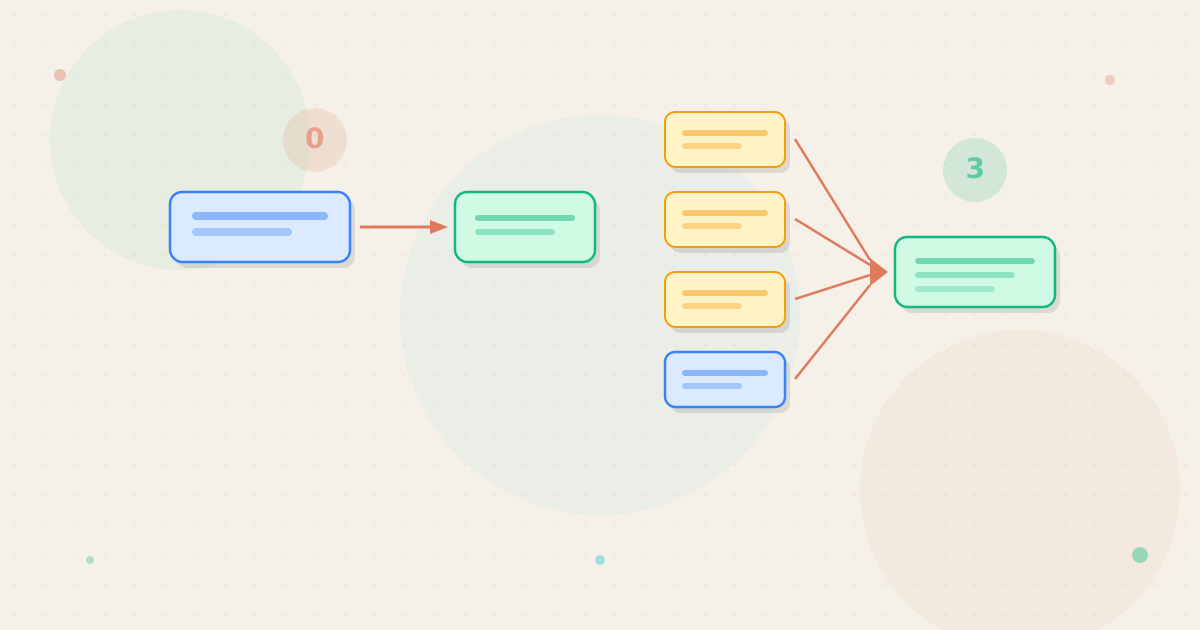
Read moreEvery prompt you send to an LLM makes an implicit choice. You either let the model figure out what you want from your instructions alone,...
Read moreEvery interaction with a large language model starts with a prompt. The words you type shape the response you receive, and small changes in phrasing...
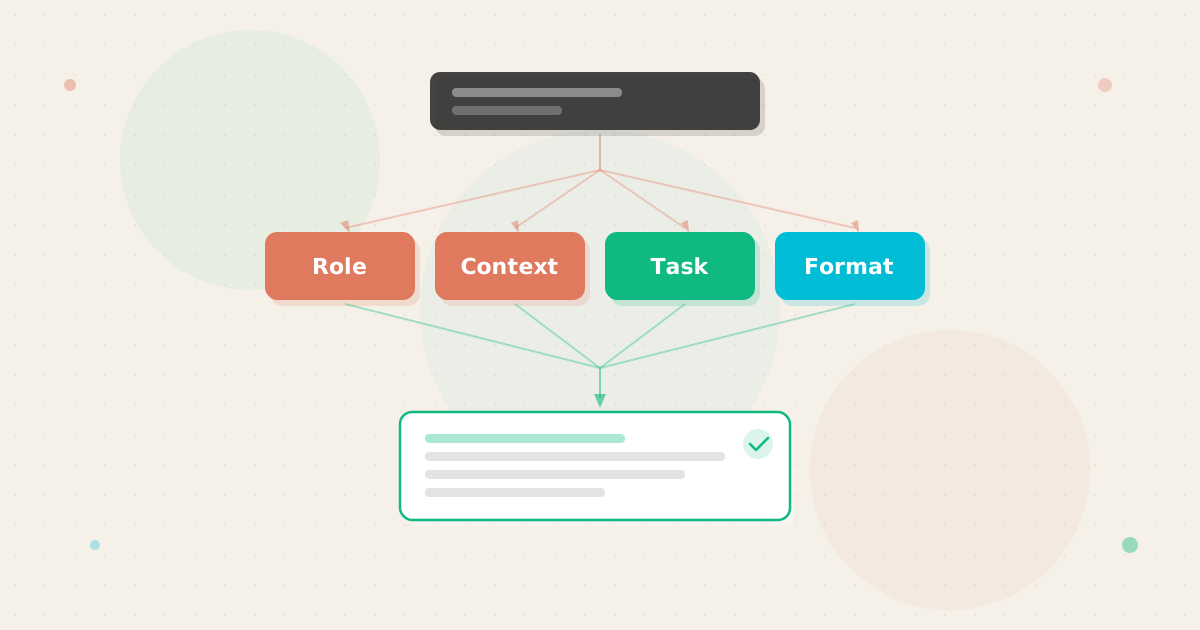
Read moreThe difference between a useful LLM response and a frustrating one often comes down to how you ask. A vague prompt returns vague output. A...
Read moreEvery large language model costs money to run. Whether you are chatting through a free web interface or sending thousands of API calls, someone is...
Read more